Pay in installments of $6.42 with
 ,
,
 and
and

Shipping Estimate
USA
- USA
- CAN
- USA
- CAN
Ships within 48 hours · Estimated delivery Jul 2 - Jul 7
 Promo Codes Available:
For Your Every Summer RSVP, with Code: SUMMER15
Description
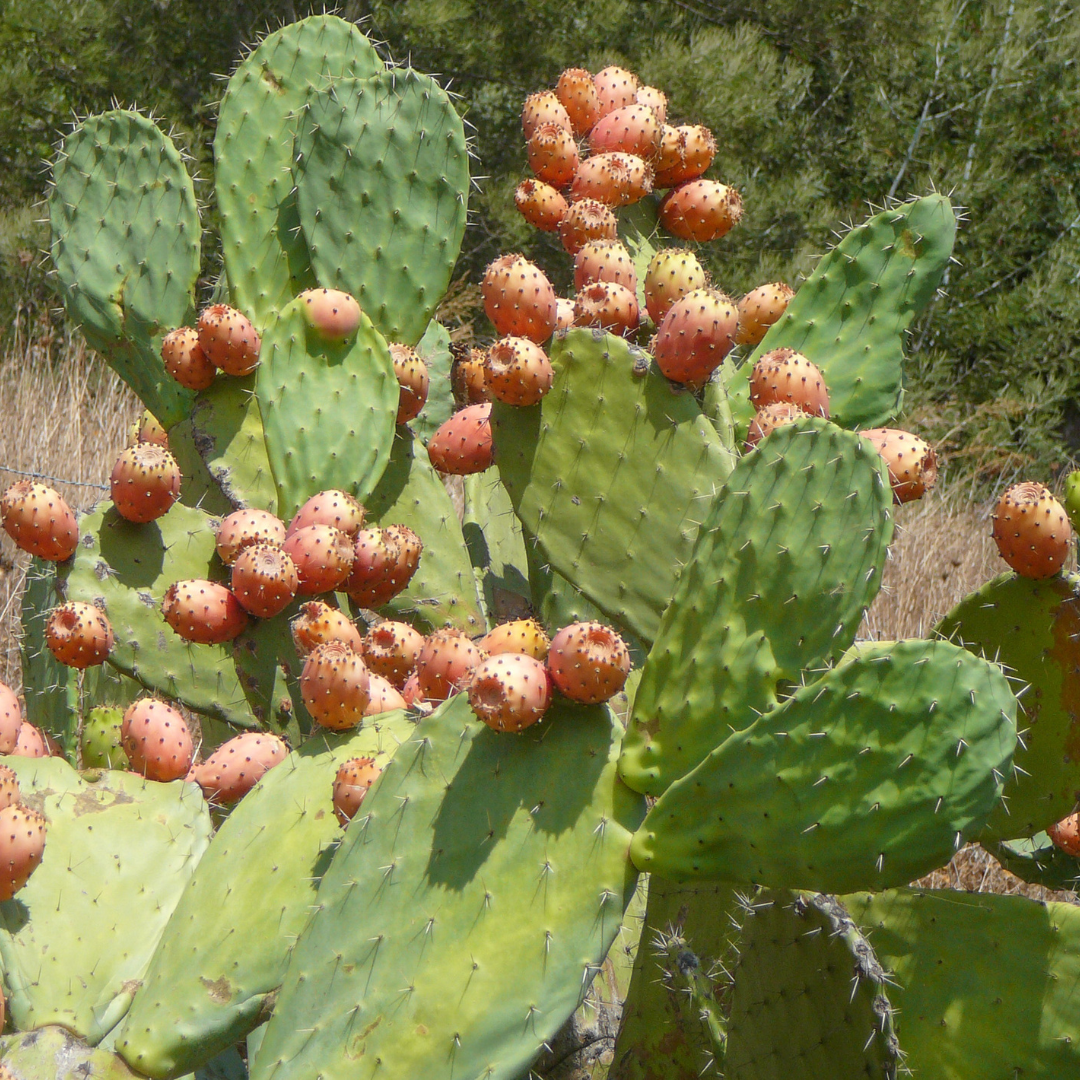
buy prickly pear cactus fruit Buy Indian Fig Prickly Pear Phoenix, AZ | OpuntiaPhoenix's Best Edible Cactus Grow Delicious Prickly Pear Fruit in Your Own Yard Indian Fig Prickly Pear (Opuntia ficus indica) is the world's most cultivated edible cactus and it thrives in the Phoenix Valley like nowhere else. This impressive species produces large, smooth pads (nopales) prized in Mexican and Southwestern cuisine, plus abundant sweet purple or red fruit (tunas) that can be eaten fresh, juiced, or made into jams and syrups. Beyond its
Phoenix's Best Edible Cactus — Grow Delicious Prickly Pear Fruit in Your Own Yard
Indian Fig Prickly Pear (Opuntia ficus-indica) is the world's most cultivated edible cactus — and it thrives in the Phoenix Valley like nowhere else. This impressive species produces large, smooth pads (nopales) prized in Mexican and Southwestern cuisine, plus abundant sweet purple or red fruit (tunas) that can be eaten fresh, juiced, or made into jams and syrups. Beyond its culinary value, Indian Fig is a striking landscape plant that grows into a dramatic tree-like form reaching 10–15 feet tall. Extremely drought-tolerant and heat-loving, it handles the worst Phoenix summers without flinching. Whether you're building an edible landscape in Scottsdale, creating a dramatic desert focal point in Gilbert, or growing your own prickly pear fruit in Mesa — Indian Fig Prickly Pear is the ultimate dual-purpose desert plant.
Indian Fig Prickly Pear Plant Details
| Attribute | Detail |
|---|---|
| Scientific Name | Opuntia ficus-indica |
| Common Names | Indian Fig Prickly Pear, Mission Cactus, Nopal, Tuna Cactus |
| Mature Height | 10–15 feet |
| Mature Width | 8–12 feet |
| Growth Rate | Fast — 3–5 new pads per season in Phoenix |
| Sun | Full sun (6+ hrs). Handles reflected heat from walls and pavement. |
| Water | Very low once established. Highly drought-tolerant. |
| USDA Zones | 8–11 (Phoenix is Zone 9b–10a) |
| Soil | Well-draining. Adapts to Arizona caliche and rocky soils. |
| Foliage | Evergreen — large bright green pads year-round |
| Fruit | Abundant purple-red tunas in late summer; sweet and edible |
Indian Fig Prickly Pear Uses in Phoenix Landscapes
Edible Landscape & Food Gardens
Indian Fig is the premier edible cactus for Phoenix home gardens. Both the pads and fruit are harvested and eaten worldwide. Plant one near the kitchen garden for easy access to fresh nopales (pads) and tunas (fruit). A single mature plant produces dozens of fruits per season — enough for the whole family plus neighbors.
Dramatic Architectural Focal Point
At 10–15 feet tall, a mature Indian Fig Prickly Pear creates an unforgettable statement in any landscape. Its tree-like trunk and massive paddle-shaped pads provide bold architectural form that anchors a desert garden. Use it as a standalone specimen in a decomposed granite bed surrounded by boulders and lower accent plants like Agave and Desert Marigold.
Privacy Screen & Living Fence
Plant Indian Fig 6–8 feet apart along a property line for a living desert fence that grows dense and tall. The thick pads create an effective visual and physical barrier. For a 30-foot fence line, plant 4–5 plants. Combine with other large desert plants for a layered, natural-looking screen.
Xeriscaping & Water-Wise Landscapes
Indian Fig is a top pick for Tempe, Chandler, and Peoria homeowners wanting dramatic scale without high water bills. Once established, it needs almost no supplemental irrigation. Its bold form pairs well with other drought-tolerant plants for a landscape that looks lush year-round on minimal water.
Best Time to Plant Indian Fig Prickly Pear in Phoenix
Fall (October–November) is ideal — warm soil promotes fast root growth while cooler air reduces transplant stress. Indian Fig gets 6–8 months of establishment before its first Phoenix summer. Spring (February–April) is the second-best window. Avoid summer planting for best results.
How to Plant Indian Fig Prickly Pear
- Dig wide, not deep — 2–3x the root ball width, same depth as the container.
- Check for caliche — break through any hardpan layer to ensure drainage.
- Backfill with native soil — a light 20% compost blend is fine for Indian Fig.
- Spacing — 6–8 feet apart for a hedge; 10+ feet for individual specimens.
- Water basin — build a 4–5 inch ring around the plant to direct water to roots.
- Mulch — 2–3 inches of gravel or decomposed granite around the base.
Watering Indian Fig Prickly Pear in Phoenix
First Year Watering Schedule
- Weeks 1–2: Every 2–3 days, deep and slow
- Month 1–3: Every 5–7 days
- Month 3–6: Every 7–10 days (every 5 days in peak summer)
- After Year 1: Every 10–14 days in summer; monthly in winter
Drip Irrigation
Place two 2-GPH emitters 24–36 inches from the trunk on opposite sides. Established Indian Fig is very drought-tolerant but will produce more fruit with occasional deep watering during the summer fruiting season.
Can you eat Indian Fig Prickly Pear fruit?
Absolutely. The purple-red tunas are sweet and delicious eaten fresh, juiced, or made into jams, syrups, and candy. The young pads (nopales) can be grilled, sauteed, or added to salads and are a staple in Mexican cuisine.
How fast does Indian Fig grow in Phoenix?
Very fast. Expect 3–5 new pads per growing season. A 5-gallon plant can reach 6–8 feet tall in just 3–4 years in Phoenix conditions with good care.
How big does Indian Fig Prickly Pear get?
Indian Fig is one of the largest prickly pear species. In Phoenix, it commonly reaches 10–15 feet tall and 8–12 feet wide, developing a tree-like trunk over time.
Does Indian Fig handle Phoenix summer heat?
Yes. Indian Fig is native to hot, arid climates and thrives in full sun, reflected heat, and 115°F+ temperatures. No shade protection needed.
Is Indian Fig Prickly Pear the same as Nopal?
Yes. "Nopal" is the Spanish name for the edible prickly pear cactus, and Opuntia ficus-indica is the most commonly cultivated species for food production worldwide.
You May Also Like
- Spineless Prickly Pear — Another nearly thornless variety; great for pool areas and high-traffic spots.
- Giant Prickly Pear — Massive native prickly pear for bold landscape statements.
- Engelmann's Prickly Pear — Classic Arizona native with yellow blooms and wildlife value.
- Purple Prickly Pear — Vibrant purple pads for dramatic color contrast in desert gardens.
- Beavertail Prickly Pear — Low-growing native with stunning magenta spring blooms.
How Many Indian Fig Prickly Pear Do I Need?
This is a fast, tree-form prickly pear that reaches 8 to 12 feet wide, so for a living fence or screen space plants about 7 feet on center. As a single edible specimen, give it 10 feet of clearance and keep the spiny pads at least 6 feet back from walkways, pools, and play areas.
| Run length | Plants needed (7 ft centers) |
|---|---|
| 14 ft | 3 plants |
| 21 ft | 4 plants |
| 30 ft fence line | 5 plants |
| 42 ft | 7 plants |
Indian Fig Prickly Pear Season-by-Season in Phoenix
- Spring (Feb to Apr): New pad growth flushes and yellow to orange flowers open along the pad edges, drawing bees. Strong second window to plant before the heat.
- Summer (May to Sep): Loves full sun and reflected heat with no shade needed, even past 115°F. Tunas color up and ripen through late summer; the monsoon and an occasional deep soak boost fruit size and yield.
- Fall (Oct to Nov): Prime planting season and main harvest window for sweet purple-red tunas. Warm soil and cool air give 6 to 8 months of root establishment before next summer.
- Winter (Dec to Jan): Evergreen pads hold through winter. One of the more cold-hardy prickly pears, taking brief dips to around 15°F, though tender young pads can show edge damage on a hard freeze.
At a Glance
✔ Heat-Loving (Reflected-Heat Tolerant) ✔ Drought-Tolerant ✔ Edible ✔ Pollinator-Friendly ✔ Evergreen ✔ Low-Maintenance ✔ Fire-Wise ✔ Cold-Hardy to 15°F
Plant It With
- Giant Prickly Pear: another massive tree-form Opuntia for a bold, layered edible screen.
- Engleman's Prickly Pear: classic Arizona native with yellow blooms and strong wildlife value.
- Beavertail Prickly Pear: low magenta-flowering native to layer in front of the tall pads.
- Desert Spoon: silvery evergreen rosette that softens the base and adds year-round texture.
Is Indian Fig Prickly Pear Right for Your Yard?
It thrives in full sun and reflected heat, fast-draining native or caliche soil, and an open spot with room to reach 10 to 15 feet tall, making it ideal for edible landscapes, bold focal points, and living fences. It is hardy to about 15°F and needs almost no water once established. Not a fit if you want a low-litter, spine-free planting near a pool, patio, or busy path, since the pads carry sharp spines and fine glochids and the plant gets large.
Shipping Notes
- Free Standard Shipping on $100+ Orders to the USA.
- Except Preorder products are shipped in 48 hours.
- Delivery to the USA:
- Standard Shipping : 3-10 business days
- If time is of the essence, please consider selecting expedited delivery for faster service.
Exchange/Return Notes
- We offer a 30-day return/exchange service after receiving.
- Final sale items are not eligible for returns or exchanges.
- To process your return/exchange, please contact us at [email protected]
- Please click here for more details>>> Return & Exchange Policy